
When you’re preparing your home for sale, you want to make it as appealing as possible to potential buyers. After all, the better it looks, the more likely you are to receive strong offers and sell quickly. A little time and effort invested in making your property stand out can go a long way. And let’s be honest—buyers are more likely to be attracted to homes that look well-maintained, organized, and move-in ready.
That said, there’s a fine line between making necessary improvements and going overboard. It’s not always clear how far you should go in terms of repairs and upgrades. For example, should you completely tear down that old, weathered deck and build a brand-new one? Or is it good enough to clean it up and give it a fresh coat of stain? Should you paint the main floor, or leave those faded walls with a few dents as they are? These are tough questions to answer because several factors influence the best course of action.
What to Consider When Deciding Whether to Fix or Improve![Is it worth fixing?]()

There are a few key questions you’ll need to answer to make sure you’re making the right decision for your situation. Let’s take a look at the factors that should play into your decision-making process.
1. What is the Return on Investment (ROI) for the Proposed Improvement?
Some home improvements offer a significant return on investment (ROI), while others might not increase your home’s value enough to justify the cost. A good rule of thumb is to focus on improvements that will make your property more attractive and functional for buyers without overspending. For instance, painting the interior of your home can go a long way in refreshing its look without breaking the bank. In contrast, tearing down and rebuilding a deck might cost more than you’ll recoup in terms of sale price—unless the deck is in particularly bad condition and could deter buyers.
Example: Replacing an old deck with a new one might cost several thousand dollars, but if the existing deck is dilapidated and buyers would rather see a well-maintained space, the investment could pay off. However, if the deck is just slightly worn and functional, a coat of stain and a good cleaning might be all that’s needed.
2. Will the Fix or Improvement Help Sell Your Home Faster or for a Higher Price?![Sometimes all it takes is paint]()
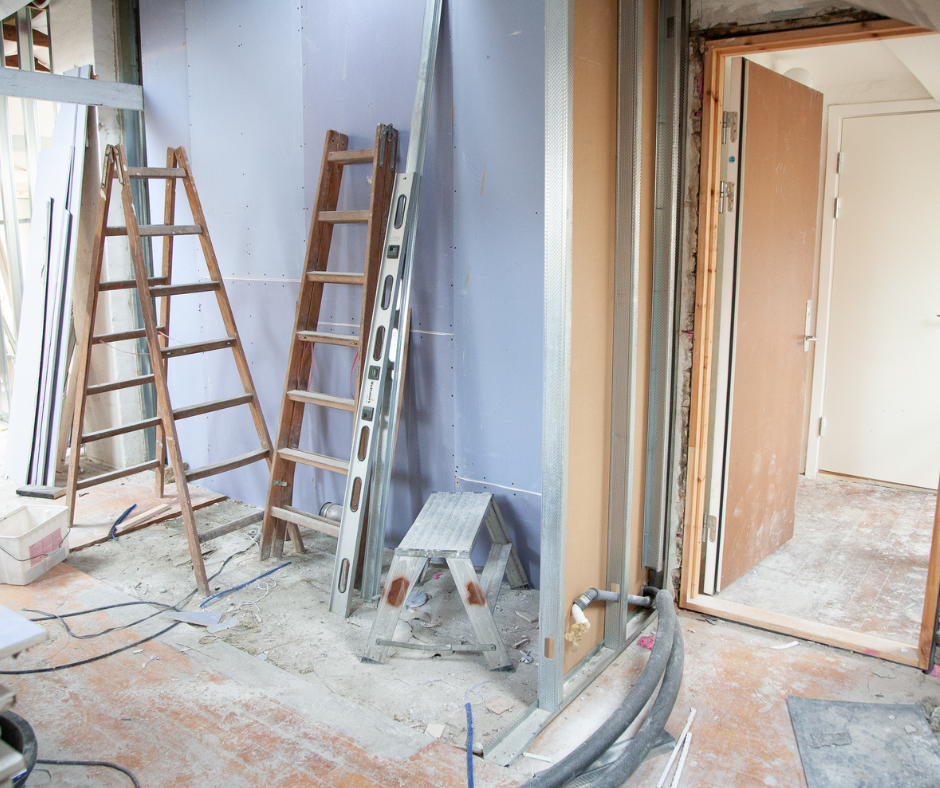
Some fixes and improvements are likely to help your home sell faster or for a higher price. A well-maintained home is always more appealing to buyers, and it can give you a competitive edge in the market. For example, giving your home a deep clean, decluttering, and updating old fixtures can all make a huge difference. Sometimes, small updates can make your property feel fresh and modern without requiring a large investment of time or money.
Example: A fresh coat of paint in neutral tones can make rooms feel brighter and more spacious, attracting more buyers. On the other hand, putting off repairs like broken tiles or a leaky faucet might lead buyers to question the condition of the entire house, which could slow down your sale or even lower your asking price.
3. Would Failing to Make Certain Improvements Dissuade Potential Buyers?
In some cases, not making repairs could turn away buyers who might otherwise be interested in your home. If you have noticeable issues—like peeling paint, broken windows, or an outdated kitchen—it’s important to address them before listing your property. Even minor repairs that seem insignificant to you could stand out to a buyer and become a dealbreaker.
Example: If you’ve got an old kitchen with worn-out cabinets or outdated countertops, consider whether a simple update would make a big impact. Replacing cabinet hardware or adding a fresh coat of paint can create a modern look that appeals to a broader audience. But if the kitchen is outdated with no potential for easy upgrades, it might be worth investing in a renovation to improve its value.
Wonder if it's worth the investment? Check out this blog post: Which renovations will give you the highest return on investment?
4. What Are the Current Market Conditions?
Understanding the current real estate market is crucial in determining how much effort and money you should put into fixing or improving your home. In a seller’s market (where demand exceeds supply), you might be able to get away with less investment in repairs since homes are selling quickly. However, in a buyer’s market (where there’s more inventory than demand), you may need to go the extra mile to ensure your home stands out and attracts offers.
Example: If you’re in a highly competitive area with many similar homes for sale, making sure your property is in pristine condition and move-in ready can help you stand out and avoid prolonged time on the market. On the other hand, if homes in your area are selling quickly without much competition, you might have more flexibility in deciding which repairs or upgrades are necessary.
5. How Much Will the Fix or Improvement Cost? Is It Affordable?
At the end of the day, the cost of the improvements should align with the expected benefits. Some projects, like landscaping or painting, are relatively affordable and can significantly improve the look of your home. Others, like renovating the kitchen or replacing flooring, can be quite expensive. It’s important to weigh the cost of the improvement against how much it will help your home sell—and whether it fits within your budget.
Example: If your home’s kitchen is functional but dated, you might not need a full renovation. Instead, consider affordable updates like replacing the backsplash, swapping out old light fixtures for more modern ones, and painting cabinets to refresh the space. If you’ve got more room in your budget, you might decide that upgrading countertops or appliances would be worth it, depending on how much value it would add to your sale price.
Finding the Right Balance: Fix It or Leave It?
Ultimately, the key is finding a balance between making necessary improvements and avoiding overspending on things that won’t provide a strong ROI. Small fixes can often have a big impact, especially when paired with professional staging and marketing.
When in doubt, it's always a good idea to consult with a real estate agent or staging expert. They can provide guidance based on your specific market conditions and help you prioritize which repairs or improvements will give you the best results. They can also help you decide if you should invest in those larger projects or leave them for the buyer to tackle after the sale.
If you’re unsure about what repairs or improvements will make the most sense for your home, I can help. Give me a call today on 647 215-7407 and we can go over your options together.
I’ll help you make your property as attractive as possible to buyers, so you can get the best possible return when you sell.


Post a comment